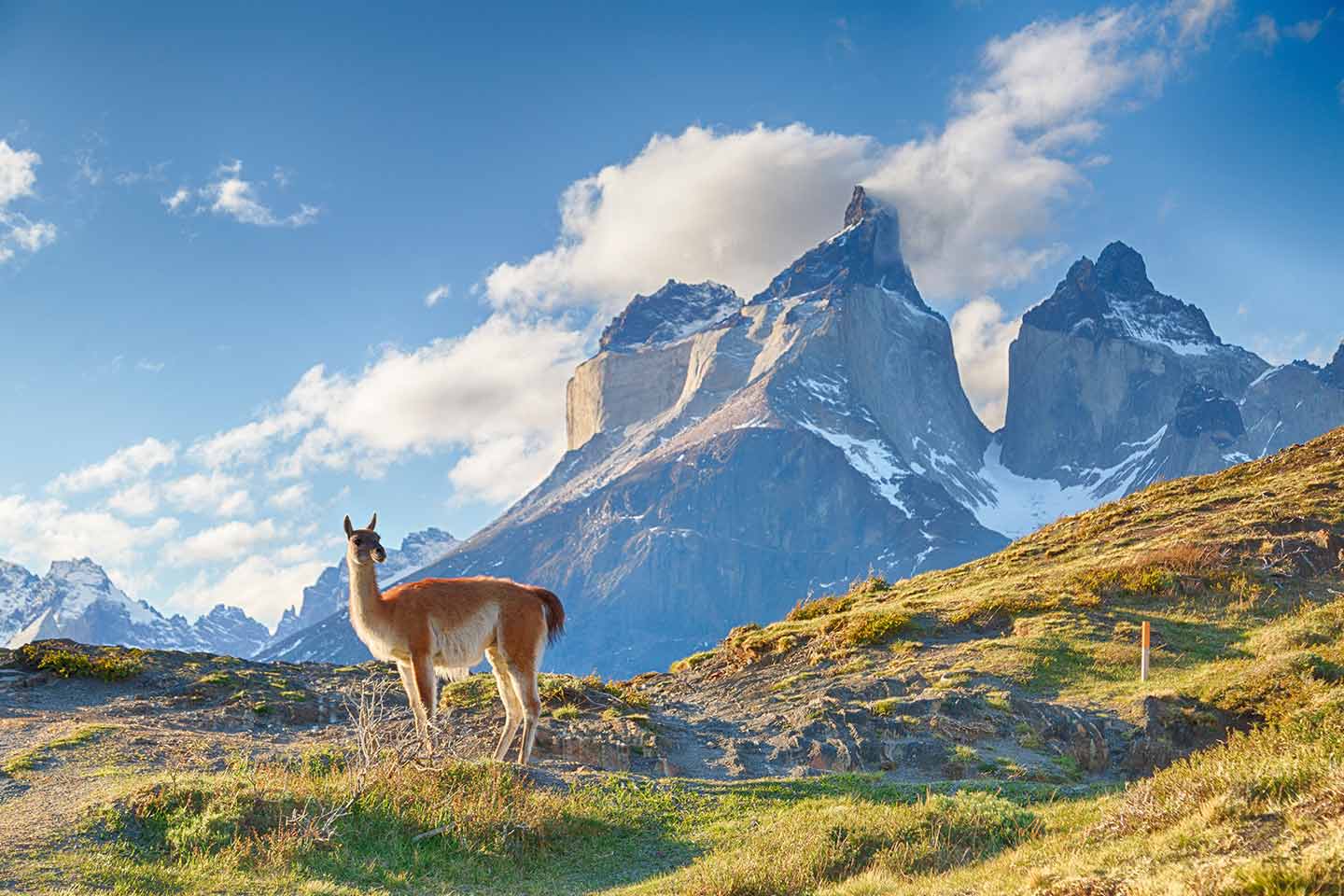
From centuries, Chilean Patagonia has intrigued travelers from around the world. Its glaciers, fjords, vast landscapes and remote beauty offer something increasingly rare: a true connection with nature. But today, the region stands at a crossroads and the choices made now will shape its future for decades to come.
A new white paper, "The Future of Tourism in Chilean Patagonia: From Growth to Stewardship", explores this defining moment and asks what kind of destination Patagonia should become.
A Destination on the Rise
Tourism used to be an afterthought in Patagonia. However, it is now a key economic driver. In the Magallanes Region, it already accounts for a significant share of employment. Indeed, tourism accounts for approximately 11% of local employment, one of the highest shares of tourism-related employment in Chile. Moreover, global demand is back. International visitor numbers to Chile have rebounded sharply since the COVID-19 pandemic. This recovery bolsters Patagonia’s position as one of the world’s most distinctive nature destinations. In 2024, some four hundred thousand international tourists visited the region, an increase of 17.7% in comparison to 2023 (SERNATUR, 2024)
Yet growth, in and of itself, is not the path forward.
As the report makes clear, “growth alone is not a strategy.” The real challenge is deciding what kind of tourism model will define Patagonia’s future.
A Unique but Fragile Advantage
What makes Patagonia so special is also what makes it vulnerable. Unlike high-volume destinations, Patagonia’s strength lies in its authenticity and sense of remoteness. Visitors come for the glaciers, untouched landscapes and the meaningful experiences the region can offer.
This gives the region a strong competitive advantage that cannot be found anywhere else in the world. However, it also means that tourism depends directly on the health of its natural environment. When ecosystems are under pressure, the value of the destination itself is at risk.
Protecting nature is a business imperative as well as an environmental issue. If Patagonia safeguards its natural treasures, it will safeguard its economic future.
A Changing Visitor Profile
Tourism in Patagonia is evolving quickly. Visitors are arriving in greater numbers, but they are staying for shorter periods and expecting higher-quality services with fewer bottlenecks and discomforts.
There has also been a decisive shift in the type of traveler. Patagonia is going upscale. Today’s visitors increasingly include premium tourists, expedition travelers and cruise passengers seeking both wilderness and creature comforts. Where backpackers once required little more than a shower and a hot meal, today’s tourists are now demanding smooth roads for their wheelie suitcases. This creates a delicate balance. How do you preserve the raw, natural experience while meeting rising expectations in terms of infrastructure and service quality?
The answer is complex and is one of the central tensions explored in the white paper.
Growing Pressure Behind the Scenes
While demand is increasing, the systems that support tourism are struggling to keep pace.
Fieldwork across the region reveals recurring challenges, including limited public infrastructure, high cost of living and difficulty attracting and retaining skilled workers. These are significant operational issues that directly affect visitor experience, local quality of life and, more broadly, the long-term sustainability of tourism in the region.
In destinations like Puerto Williams, for example, international positioning as an Antarctic gateway contrasts sharply with limitations in basic services.
This gap between ambition and infrastructure is one of the most urgent challenges facing the region.
Tourism Must Work for All Communities
Another key insight from the research is that tourism success must be shared locally.
While tourism creates jobs and economic opportunities, it can also result in rising costs, seasonal instability and uneven distribution of benefits.
Resilient tourism, according to the white paper, depends on local participation, fair value distribution and strong connections between tourism and everyday life.
Three Possible Futures
Looking ahead, the report outlines three potential scenarios for Patagonia’s tourism development:
-
A volume-driven model, focused on maximizing visitor numbers, but increasing environmental and social pressure.
-
A premium but unequal model, where high-end tourism grows, but benefits remain concentrated among a handful of industry players.
-
A stewardship model, combining high-value tourism with broad local participation and long-term sustainability.
Only the third scenario offers a path toward resilience balancing economic development, environmental protection and community well-being.
Shifting From Growth to Stewardship
The central message of the white paper is concise and compelling. Patagonia should not compete by becoming bigger, but by becoming better.
This means investing in sustainable infrastructure, strengthening skills and talent, diversifying tourism experiences and improving coordination across institutions.
Tourism shouldn’t be seen as a short-term opportunity rather as a long-term development vision. In Chilean Patagonia this vision needs to be forged. One that is grounded in environmental stewardship and an equitable distribution of economic benefits.
Does This Really Matter Right Now?
The decisions shaping Patagonia’s future are being made today.
The region still has a unique opportunity as it is not yet overrun by tourism. There is still time to define a strategic direction before irreversible pressures emerge.
Few destinations have this window of opportunity. Fewer still have the natural and cultural richness that Patagonia offers.
Discover the Full Insight
This article highlights a mere fraction of the insights captured in the white paper.
If you are interested in sustainable tourism, destination strategy or the future of nature-based travel, our research paper offers a deep, evidence-based perspective drawn from fieldwork, stakeholder interviews and secondary statistical analysis across the region.
Download the full white paper to explore the data, case examples and strategic recommendations shaping the future of tourism in Chilean Patagonia.


Reuse and reproduction permitted with full attribution to the original author and inclusion of a link to the original publication. All other rights reserved.