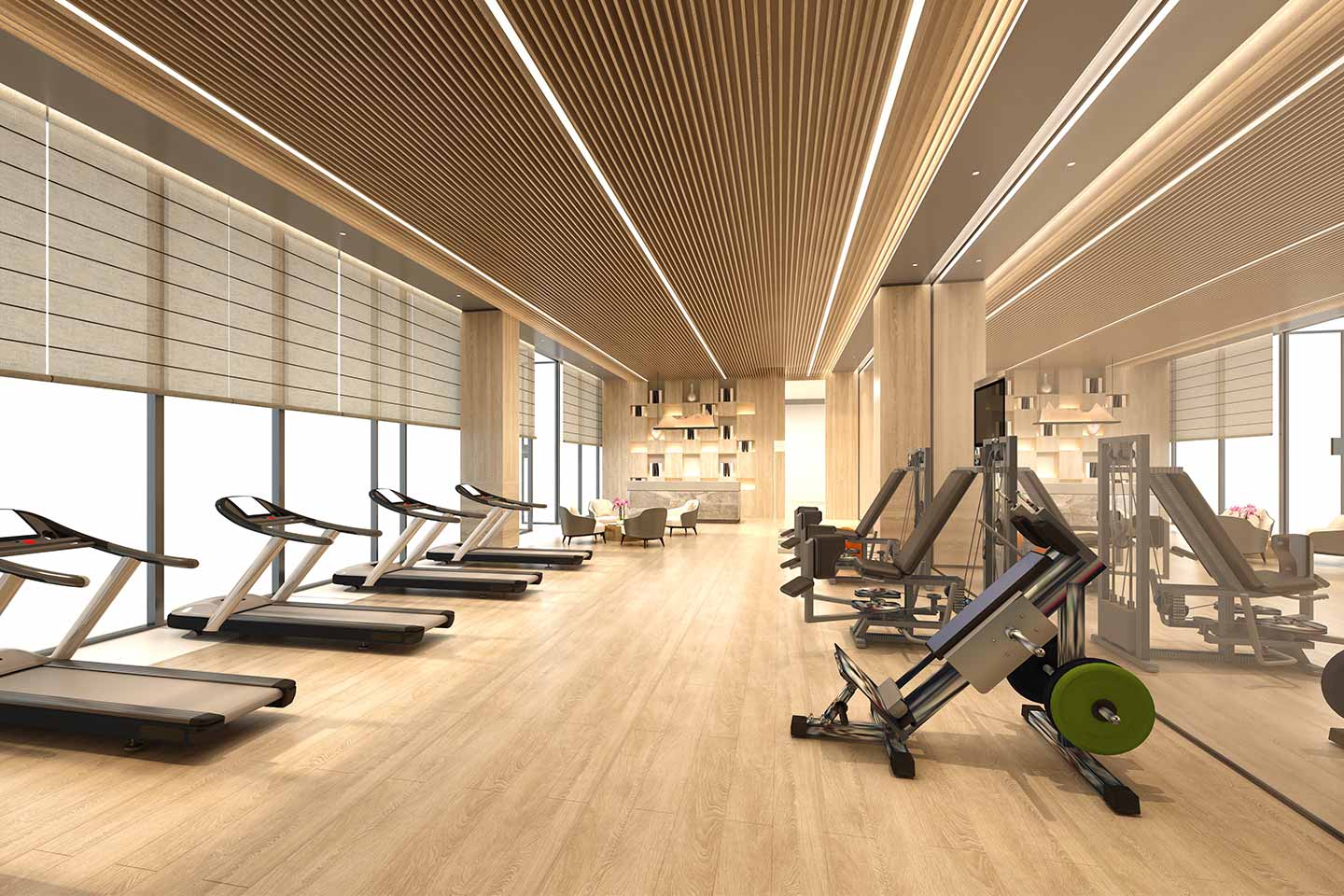
What if the future of fitness looks less like a gym and more like a hotel? Once designed primarily as places for workouts and athletic performance, fitness centers are increasingly embracing a hospitality-oriented model focused on experience and connection.
The Rise of the Well-being Economy
The global wellness economy reached $6.8 trillion in 2024, doubling in size since 2013, and is projected to reach nearly $9.75 trillion by 2029 (Global Wellness Institute, 2025). Much of this growth is driven by younger consumers.
For Gen Z and Millennials, well-being is not an occasional indulgence but a continuous and personalized practice encompassing physical health, mental well-being, nutrition, sleep, appearance, and mindfulness (McKinsey & Company, 2025). As well-being becomes embedded in everyday life, expectations toward fitness providers are also changing. Consumers are looking for places that support their broader lifestyle and well-being goals.
The Lens of Hospitality
The hospitality and fitness industries are converging around a common idea: people want places where they feel welcomed and a sense of belonging. These principles are becoming increasingly relevant for fitness businesses seeking to attract and retain the next generation of members where emotional connection is a priority.
Like any ‘third place’ (a bar, library, town square, etc.), fitness centers can provide spaces to build relationships beyond the home or workplace, helping to strengthen social connection and community. Recognizing this social dimension is therefore an important first step in rethinking the fitness center as a community-oriented experience.
1. Creating a Social Club
For younger consumers, fitness centers serve a social as well as a physical function. Growing up in a technology-saturated world, Gen Z is also seeking opportunities for in-person connection. Building relationships has therefore become an important motivation for participating in fitness activities.
A hospitality-oriented fitness club facilitates these connections through welcoming social spaces, member events, and group activities. The value proposition is no longer simply "a place to work out" but "a place where I belong." This philosophy is reflected in the emerging "club as destination" model.
Fitness operators such as Life Time in North America illustrate this approach. Moving beyond the traditional gym concept, they combine fitness with wellness facilities, dining, social spaces and activities that encourage members to stay beyond their workouts.
David Lloyd Clubs in Europe offer Clubrooms where members can work, relax, enjoy a meal or connect with others. Social programming includes themed events (e.g., book clubs and quiz nights) so that connection can be incorporated into the club experience.
Such concepts position fitness clubs as lifestyle destinations competing not only with other gyms, but also with cafés, coworking spaces and social clubs. However, this model only works if people feel comfortable walking through the door.
2. Low Intimidation, High Inclusivity
Hospitality professionals understand that first impressions matter. Guests often decide within minutes whether they feel comfortable in an environment. Yet many fitness facilities still approach new members with a transactional onboarding experience or a basic sales pitch.
A hospitality-inspired gym prioritizes warmth and reassurance. New members are greeted personally, introduced to the facility and supported throughout their first visit. This is particularly important for younger consumers who may struggle to get motivated: 44% of US Gen Z consumers say it is challenging to stay motivated to exercise (McKinsey & Company, 2025).
Inclusivity must also be at the heart of the establishment, not simply its marketing. People of different ages, body types, abilities and cultural backgrounds should feel welcome in all communication and everyday interactions.
3. Well-being with Aesthetics
Historically, the fitness industry focused heavily on physical appearance and athletic performance. While these goals remain important, younger consumers increasingly associate exercise with broader outcomes such as stress reduction, mental health, sleep quality, energy, and resilience.
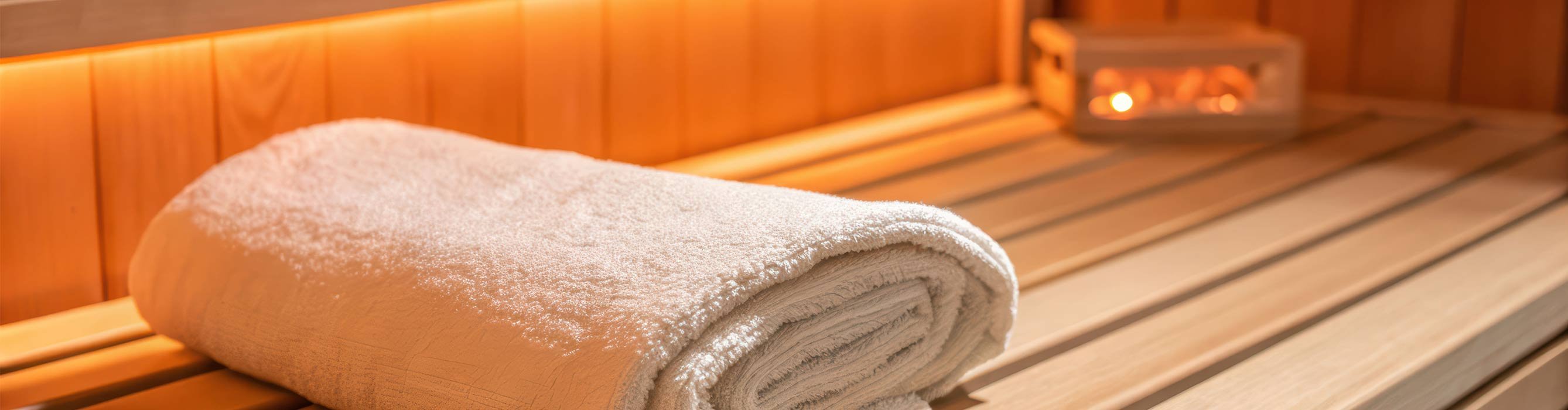
Aesthetics have not disappeared, but the conversation is shifting toward more holistic well-being. As a result, recovery is becoming an important part of the fitness experience, through services such as recovery lounges, infrared saunas, cold plunges and facilities designed for physical and psychological restoration.
Premium fitness operator Equinox illustrates this development by combining fitness and personal training with spa services and recovery amenities, positioning exercise within a broader lifestyle and well-being experience.
4. Personalization with a Human Touch
One of hospitality's strengths is its ability to recognize individual preferences and create personalized experiences. Fitness providers often hold significant information about their members, for example, knowing their goals, attendance patterns, preferences, etc., yet this information is not always used meaningfully.
Technology and data analytics create valuable opportunities for personalization, but hospitality teaches us that technology alone is not enough. An app may detect that a member has missed several workouts, but a personal message from a coach asking how they are doing creates a very different experience. Technology can identify needs; human interaction creates loyalty.
5. The Value of Choice
Another lesson from hospitality is that customer loyalty is strongest when it is earned through a positive experience rather than enforced primarily through contractual restrictions. Flexible booking, personalized offers and loyalty programs reduce barriers and encourage repeat visits.
Younger consumers in particular value flexibility and expect services to accommodate changing schedules. Pay-as-you-go access, flexible packages and opportunities to explore different formats can therefore complement traditional memberships.
Flexibility does not mean eliminating long-term memberships, which some consumers value for their convenience or financial advantages. The opportunity is to offer choice, communicate conditions transparently, and make it easy for members to find an arrangement that suits them. From a hospitality perspective, flexibility is about building trust.
6. Well-being by Design
In hospitality, the physical environment is part of the product. Lighting, music, layout, scent and atmosphere all influence the guest experience. Fitness spaces are increasingly subject to similar expectations, particularly as younger consumers discover and share experiences through social media.
London-based Third Space demonstrates how hospitality principles can influence fitness service design. At its Chelsea club, a carefully designed concierge reception area is complemented by premium changing rooms, towels, skincare products, recovery facilities and optional laundry services.
Hospitality-inspired design does not necessarily require expensive materials or luxury facilities. Intuitive signage, clean and welcoming changing rooms, comfortable waiting areas, and thoughtful staff interactions can all improve the member experience. Ultimately, people return to spaces that feel good to be in.
7. Curating the Fitness Experience
Hotels and restaurants continually refresh their offerings with seasonal menus and personalized recommendations that give guests reasons to return. Fitness businesses can apply the same logic.
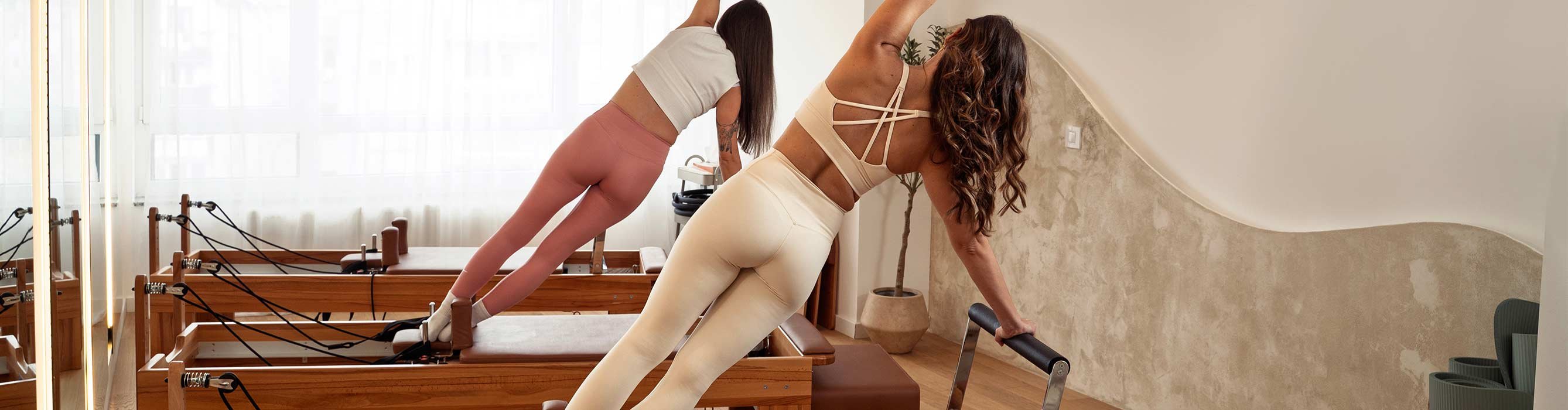
Members increasingly value variety and discovery, whether through strength training, Pilates, yoga, run clubs or well-being workshops. Younger consumers are particularly open to experimentation, making curated experiences and new offerings important for maintaining engagement.
Fitness brand Barry's illustrates how exercise itself can become a distinctive, shared experience. Through its Red Room workout format, instructor-led sessions, atmosphere and Fuel Bar, Barry's creates integrated experiences beyond the workout.
The Future: Members as Guests
In this emerging model, members are no longer simply customers purchasing access to equipment. They are guests participating in a broader well-being experience and members of a social club to which they belong. The successful fitness brands will not necessarily be those with the most machines or the largest facilities. They will be those that create places where people feel welcomed and an integral part of the infrastructure.
Ultimately, the competitive value of the fitness center may increasingly lie in its ability to move beyond being a functional exercise space. A human-centric approach puts people and their needs at the heart of the experience, creating conditions for greater well-being based on social connection – key hospitality concepts.

Reuse and reproduction permitted with full attribution to the original author and inclusion of a link to the original publication. All other rights reserved.